
At some point, holding a phone farther away to read a message starts to feel automatic. Text looks smaller than it used to, letters feel less comfortable, and reading requires more effort than before. For many people, this is the first sign that vision has changed.
This difficulty seeing up close, especially after age 40, is a natural process called presbyopia. It is part of normal visual aging and affects virtually all adults at some stage of life.
In this article, we explain how presbyopia develops, the most common symptoms, when to schedule an eye evaluation, and the available options for people who live and work in Gahanna and nearby communities such as Blacklick, New Albany, Westerville, and Pataskala.
What is presbyopia
Presbyopia is the gradual loss of the eye’s ability to focus on near objects. It occurs as the crystalline lens inside the eye becomes less flexible over time, making it harder to adjust focus for reading and other close tasks.
Unlike other vision conditions, presbyopia is not a disease and cannot be prevented. It is a normal physiological part of ocular aging.
When presbyopia usually begins
For most people, the first signs appear between ages 40 and 45. Early on, near vision difficulty may be subtle, often noticed only in low light or after prolonged reading.
Over time, the need to hold text farther away, increase lighting, or take frequent breaks becomes more noticeable.
Common signs of presbyopia
Symptoms of presbyopia tend to develop gradually and may include:
- Difficulty reading small print
- Holding reading material farther away to see clearly
- Eye strain after reading or extended phone use
- Headaches related to visual effort
- Increased discomfort in low light environments
These changes often affect everyday tasks such as reading messages, working at a computer, checking prices at the store, or using a phone at night.
How presbyopia affects daily life
Presbyopia directly impacts the routine of active adults. People who work in offices, rely on digital screens, or frequently switch between near and distance vision often notice its effects earlier.
Simple activities like replying to messages, reviewing documents, or reading for enjoyment may start to require adjustments that are not always immediately recognized.
When to seek an eye evaluation
An eye evaluation is recommended as soon as near vision difficulty begins to affect visual comfort or productivity. Even individuals who have never worn glasses before may benefit from an eye exam.
In addition to confirming presbyopia, a comprehensive exam helps rule out other eye conditions that can cause similar symptoms.
How presbyopia is diagnosed
Presbyopia is diagnosed during a comprehensive eye exam that evaluates both near and distance vision, as well as overall eye health.
The exam includes specific reading tests, assessment of visual effort, and determination of the most appropriate optical correction for daily activities.
Options to correct presbyopia
There are several options available to correct presbyopia, and the best choice depends on lifestyle, visual demands, and personal preferences.
Common options include:
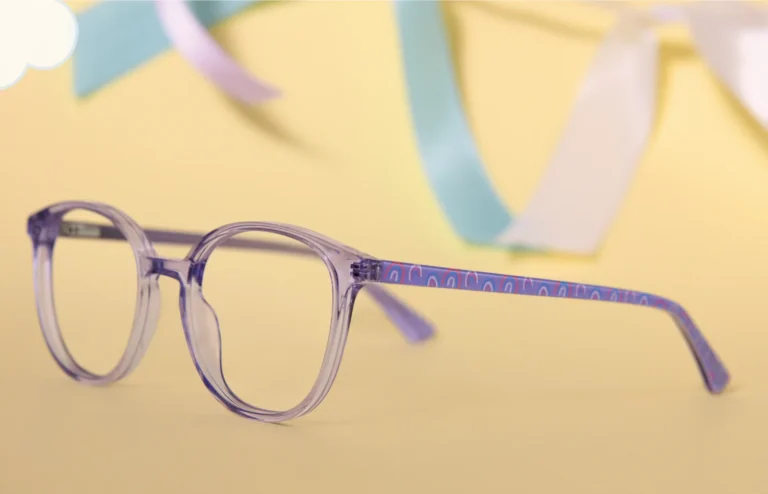
- Reading glasses
- Progressive or multifocal eyeglasses
- Multifocal contact lenses
Each option offers distinct benefits and should be selected through a personalized evaluation.
Presbyopia and quality of life
Proper correction of presbyopia helps maintain visual comfort, productivity, and independence in daily life. With the right guidance, it is possible to continue reading, working, and using digital devices without unnecessary strain.
Regular eye exams allow adjustments as presbyopia naturally progresses over time.
Eye care in Gahanna and surrounding areas
For those living in Gahanna or nearby communities such as Blacklick, New Albany, Westerville, and Pataskala, regular eye exams are essential for managing normal age related vision changes.
Access to local eye care supports ongoing adjustments and personalized recommendations based on each person’s visual routine.
When to schedule your eye exam
If you notice difficulty seeing up close, eye strain while reading, or discomfort when using your phone, a comprehensive eye exam can help identify presbyopia and determine the best solution.