
In Gahanna, caring for vision has always been part of community life. For over 30 years, Smallwood Eye Associates has served local families, offering trusted eye care and helping generations see clearly. Today, beyond eye exams and consultations, the clinic also guides workers, parents, and athletes on an often-overlooked topic: the importance of safety glasses and sports eyewear in preventing injuries.
Why Is Eye Protection So Important?
According to the Occupational Safety and Health Administration (OSHA), about 2,000 U.S. workers suffer eye injuries each day, most caused by flying debris, chemicals, or direct impacts. The CDC adds that these injuries not only cause pain and lost workdays but can also result in permanent damage.
In sports, the risks are just as significant. Prevent Blindness reports that sports-related eye injuries have been increasing year after year:
- 2022: ~26,000 cases
- 2023: ~32,600 cases
- 2024: 43,379 cases
That’s nearly a 70% jump in just two years. Most importantly, nine out of ten of these injuries could have been prevented with proper protective eyewear (Prevent Blindness).
Growth of Sports-Related Eye Injuries (2022–2024)
Sports-Related Eye Injuries in the USA
Emergency Department Visits
Sports-related eye injuries increased by nearly 70% from 2022 to 2024.
These cases represent emergency department visits across the United States.
Source: Prevent Blindness (2022–2024). Sports-related eye injuries rose from ~26,000 in 2022 to 43,379 in 2024, underscoring the urgent need for protective sports eyewear.
Why Are Sports Glasses Essential?
Studies show that over 70% of sports-related eye injuries occur in people under 25, and 43% in children under 15. Sports like basketball, baseball, hockey, and tennis rank among the riskiest.
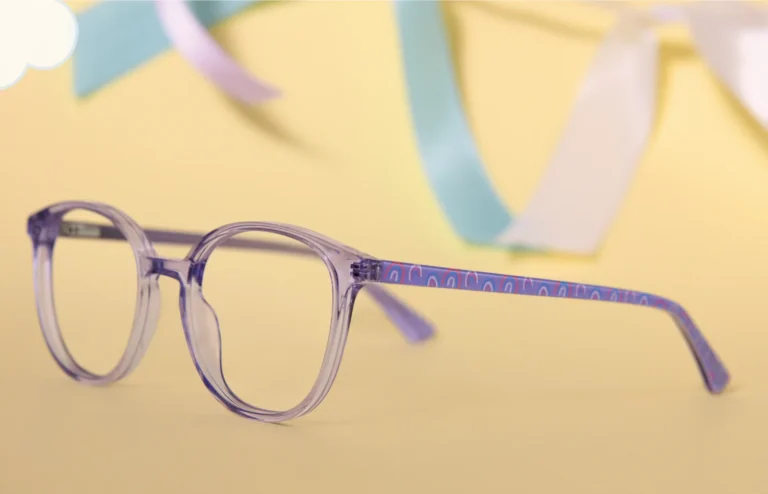
Fashion glasses or standard sunglasses simply can’t withstand the impact of a ball or physical contact. On the other hand, sports eyewear with ASTM F803 certification is designed to absorb these impacts and stay securely in place. These glasses use polycarbonate lenses and reinforced frames, often with straps to prevent them from slipping.
If you play outdoor sports, sports sunglasses with UV protection are also crucial — shielding you not only from impact but also from harmful sun exposure.
What’s the Connection Between Smallwood, Hockey, and the Gahanna Community?
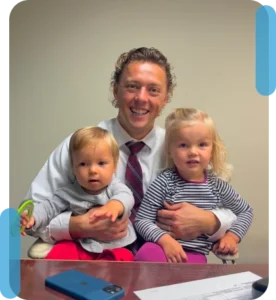
This subject is especially meaningful for our team. Dr. Connor, our eye doctor, was once a hockey player at Gahanna High School. He knows firsthand the risks athletes face and the importance of proper eye protection.
Today, Dr. Connor channels that personal experience into guiding young athletes — especially those who now play where he once played. This passion also connects to our sponsorship of the Gahanna Lions Hockey Team, a way to support local sports and strengthen our community commitment. It’s not just about eye care — it’s about helping athletes protect their vision while chasing the same dreams our own doctors once pursued.
How Do You Choose the Right Protective Glasses?
When choosing your safety or sports glasses, here’s what you should look for:
- Certification: ANSI Z87.1 for work; ASTM F803 for sports.
- Lens material: polycarbonate or Trivex, which are lightweight, shatter-resistant, and UV-protective.
- Full coverage: wraparound or side shields for maximum protection.
- Comfort: proper fit, adjustable temples, or elastic straps.
- Style: modern designs now combine protection and aesthetics.
At Smallwood, our team helps you test different models, confirm your prescription, and ensure your glasses fit your daily needs.
Conclusion
Eye injuries are common — but almost always preventable. At work, in sports, or in everyday activities, wearing prescription safety glasses or certified sports eyewear is the best way to protect your vision.
In Gahanna, Smallwood Eye Associates has been protecting the community’s vision for more than 30 years — now also supporting local athletes and workers with personalized solutions. Because protecting your eyes also means protecting your future, your story, and the community you call home.
🔗 References
Workplace Eye Injuries
- OSHA – Eye and Face Protection (29 CFR 1910.133):
- CDC/NIOSH – Eye Safety at Work:
- Bureau of Labor Statistics (BLS) – Eye-Related Injuries (2020):
Sports-Related Eye Injuries
- Prevent Blindness – Sports Eye Safety 2022 (26k cases):
- Prevent Blindness – Sports Eye Safety 2023 (32.6k cases):
- Prevent Blindness – Sports Eye Safety 2024 (43,379 cases):